Business Evolution Explained: Sustainable Growth for Entrepreneurs
Every ambitious business builder knows the pressures of keeping pace with shifting economic realities in Central Europe while protecting their own well-being. Balancing personal values with sustainable growth is more than a goal—it is a daily challenge for solo entrepreneurs and small teams working to nurture authentic community connections. This article reveals how the creatrepreneur model redefines business evolution, guiding you to develop adaptable strategies that support both long-term impact and personal fulfillment.
Table of Contents
- Defining Business Evolution For Modern Creators
- Types Of Business Evolution And Adaptation
- Key Drivers Of Sustainable Business Change
- Legal And Operational Factors In Central Europe
- Common Risks And Mistakes In Evolution Strategies
Key Takeaways
| Point | Details |
|---|---|
| Business evolution requires intentional adaptation | Creators must align their personal vision with market realities while embracing sustainable growth strategies. |
| Internal and external adaptation strategies are vital | Entrepreneurs should focus on skill development, organizational changes, and market repositioning to thrive in dynamic environments. |
| Understanding legal and operational factors is critical | Navigating the regulatory landscape in Central Europe demands localized knowledge and adaptive operational strategies for success. |
| Awareness of common risks enhances resilience | Recognizing and mitigating risks in business evolution helps entrepreneurs make informed decisions and promote long-term sustainability. |
Defining Business Evolution for Modern Creators
Business evolution represents a dynamic transformation process where entrepreneurs continuously adapt their strategies, capabilities, and models to changing market environments. For modern creators, this concept goes beyond traditional business growth—it’s about intentional, sustainable progression that aligns personal vision with economic realities.
The creatrepreneur model emerges as a powerful framework for understanding how contemporary creators navigate business transformation. Digital entrepreneurial behaviors now define success, moving far beyond conventional revenue metrics. Creators are no longer just content producers but strategic business architects who must:
- Develop flexible revenue streams
- Build adaptable digital infrastructures
- Continuously learn emerging technological skills
- Create value through community engagement
- Maintain personal well-being while scaling operations
Modern business evolution isn’t about exponential growth at any cost. It’s a holistic approach that integrates economic sustainability with personal fulfillment. Creators must recognize that their business is an ecosystem—interconnected, responsive, and constantly evolving.
Business evolution for creators means transforming limitations into opportunities through strategic adaptation and mindful scaling.
The digital landscape demands entrepreneurs who can pivot quickly, leverage technology intelligently, and maintain authentic connections with their audience. This requires a sophisticated understanding of market dynamics, technological trends, and personal capacity.
Pro tip: Treat your creative business as a living organism that requires periodic assessment, strategic recalibration, and intentional nourishment.
Types of Business Evolution and Adaptation
Business evolution is not a one-size-fits-all process but a nuanced journey with multiple strategic pathways. Entrepreneurs must understand the diverse approaches to adaptation that can transform their ventures, each representing a unique response to market dynamics and organizational challenges.
Research reveals two primary categories of business adaptation: internal and external strategies. These strategies represent different mechanisms through which businesses navigate complex economic landscapes.
Internal Adaptation Strategies include:
- Skill development and continuous learning
- Organizational restructuring
- Technology integration
- Process optimization
- Cultural transformation
External Adaptation Strategies encompass:
- Market repositioning
- Exploring new customer segments
- Developing innovative product offerings
- Strategic partnerships
- Diversifying revenue streams
The effectiveness of these adaptation strategies depends significantly on institutional quality and governance factors. Institutional drivers play a crucial role in shaping business evolution, particularly in regions with robust regulatory frameworks.
Here’s a comparison of internal vs. external adaptation strategies and how they affect business evolution:
| Strategy Type | Key Focus Area | Main Business Impact |
|---|---|---|
| Internal Adaptation | Skills and organizational change | Increases resilience and innovation |
| External Adaptation | Market and partnerships | Boosts market reach and flexibility |
Successful business adaptation is less about radical transformation and more about intelligent, incremental changes aligned with core organizational values.
Modern creators must recognize that evolution is not linear but cyclical. Each adaptation strategy requires careful assessment of potential risks, market conditions, and organizational capacity. Businesses that remain agile yet principled are most likely to thrive in unpredictable economic environments.
Pro tip: Regularly conduct comprehensive organizational audits to identify potential adaptation opportunities and align your business evolution with emerging market trends.
Key Drivers of Sustainable Business Change
Sustainable business change emerges from a complex interplay of strategic, operational, and institutional factors. Modern entrepreneurs must understand the nuanced drivers that transform organizations beyond traditional growth metrics, focusing on holistic and meaningful evolution.
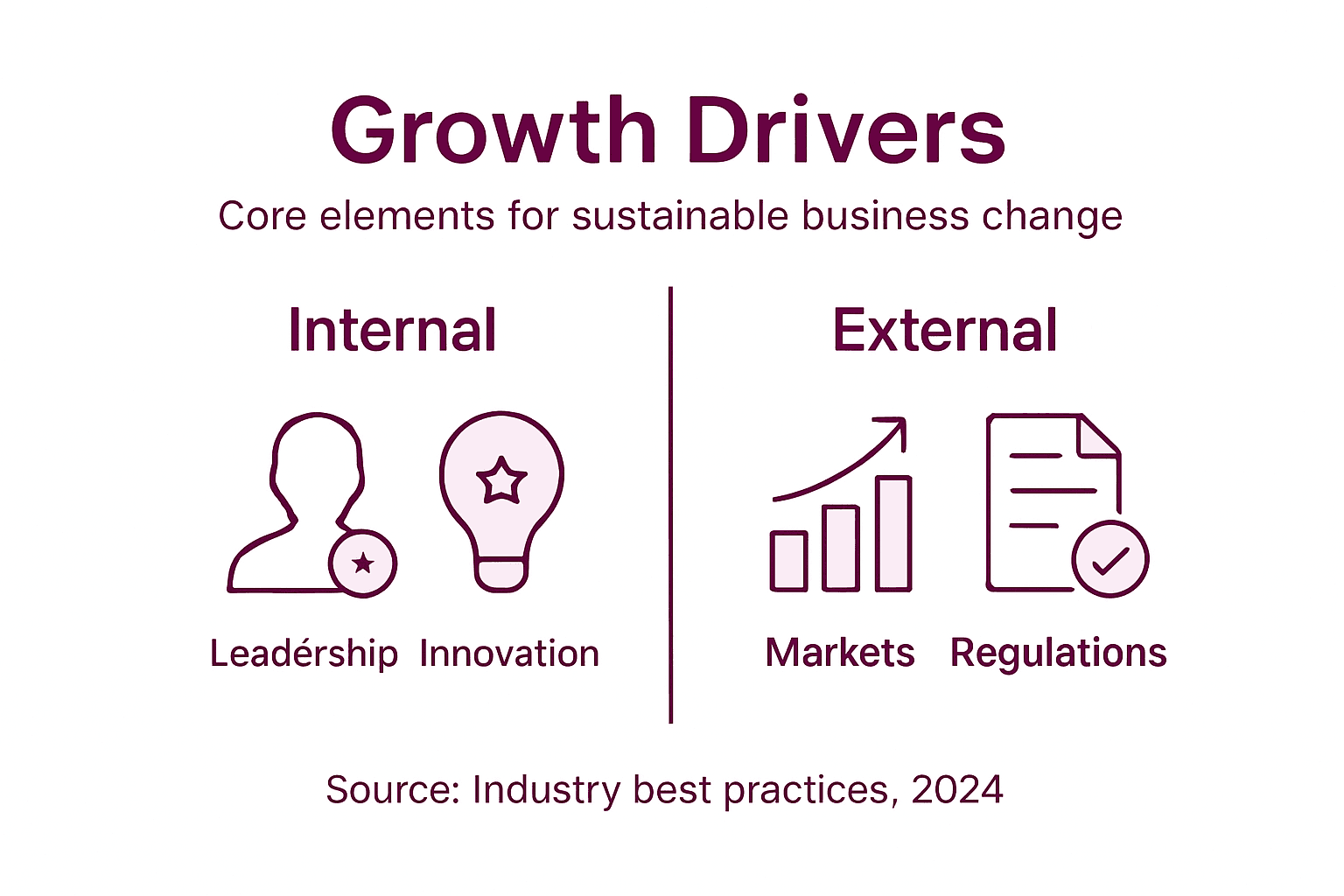
Internal capability deployment represents a critical foundation for sustainable business transformation. Successful organizations recognize that meaningful change starts from within, requiring deliberate investment in core competencies and organizational infrastructure.
Key Drivers of Sustainable Business Change include:
- Strategic leadership vision
- Continuous learning and skill development
- Technological innovation
- Financial discipline
- Adaptable organizational culture
- Stakeholder engagement
- Ethical governance
Visionary Leadership plays a pivotal role in driving sustainable change. Leaders who can articulate a compelling narrative of transformation and align organizational resources toward meaningful goals create environments where innovation thrives.
Sustainable business change is not about radical disruption, but intelligent, incremental progression aligned with core organizational values and market realities.
Institutional frameworks significantly influence an organization’s capacity for sustainable evolution. Regulatory environments, governance structures, and economic policies provide either fertile ground or significant barriers to meaningful business transformation.
The most successful businesses understand that sustainable change is a continuous process of learning, adaptation, and strategic realignment. It requires a holistic approach that balances short-term performance with long-term organizational resilience.
Pro tip: Develop a quarterly strategic review process that systematically evaluates your organization’s adaptation capabilities and identifies emerging opportunities for sustainable transformation.
Legal and Operational Factors in Central Europe
Central Europe represents a complex landscape of legal and operational challenges that demand nuanced understanding from entrepreneurs seeking sustainable business growth. The region’s diverse regulatory environments create both opportunities and intricate compliance requirements for modern businesses.

Operational risk management emerges as a critical consideration for businesses navigating this dynamic economic terrain. Small and medium enterprises face unique challenges that require strategic approaches to legal and operational frameworks.
Key Legal and Operational Considerations include:
- Regulatory compliance variations across different Central European countries
- Complex tax structures and reporting requirements
- Employment law nuances
- Intellectual property protection mechanisms
- Digital business regulation
- Cross-border operational challenges
- Financial reporting standards
Regulatory Complexity significantly impacts business operations in Central Europe. Each country presents distinct legal frameworks that require careful navigation and specialized local knowledge. Entrepreneurs must develop adaptive strategies that can flex across different national contexts.
Legal and operational success in Central Europe demands more than compliance—it requires deep cultural and regulatory intelligence.
Small businesses particularly face challenging operational risks that vary dramatically between countries. The research reveals substantial disparities in risk perception and management effectiveness across the region, highlighting the need for tailored, localized approaches to business strategy.
Understanding these multifaceted legal and operational factors is not about creating barriers but developing sophisticated, adaptable business models that can thrive within complex regulatory environments.
Pro tip: Invest in local legal expertise and develop flexible operational frameworks that can adapt to the nuanced regulatory landscapes of different Central European countries.
Common Risks and Mistakes in Evolution Strategies
Business evolution is rarely a linear journey, and entrepreneurs must anticipate potential pitfalls that can derail their strategic transformation. Understanding these common risks becomes crucial for sustainable organizational development and long-term success.
Entrepreneurial failure mechanisms reveal critical insights into the complex landscape of business strategy evolution. Recognizing and mitigating these risks can significantly improve an organization’s resilience and adaptability.
Common Risks in Business Evolution Strategies:
- Overestimating market readiness
- Neglecting core competency development
- Insufficient financial planning
- Resistance to organizational change
- Misalignment between strategy and capabilities
- Overlooking skill gaps
- Premature scaling
Decision-Making Patterns play a fundamental role in strategic evolution. Entrepreneurs often fall into cognitive traps that limit their ability to make objective, forward-thinking choices. These psychological biases can lead to repeated strategic mistakes and missed opportunities.
Strategic evolution is not about avoiding risks, but developing the organizational intelligence to navigate them effectively.
Research demonstrates that individual characteristics significantly influence entrepreneurial decision-making. The most successful entrepreneurs develop a mindset of continuous learning, viewing mistakes not as failures but as essential feedback mechanisms for improvement.
Understanding these risks requires a holistic approach that balances strategic vision with practical, adaptable execution. Entrepreneurs must cultivate organizational cultures that embrace uncertainty and view evolution as an ongoing, dynamic process.
The main risks and their potential consequences for business evolution are summarized below:
| Common Risk | Potential Consequence | Mitigation Approach |
|---|---|---|
| Overestimating market readiness | Missed revenue and failed launches | Conduct thorough market research |
| Neglecting core competencies | Weakened foundation, lost relevance | Prioritize continuous skill growth |
| Premature scaling | Resource waste, operational chaos | Scale gradually with clear metrics |
Pro tip: Create a quarterly strategic review process that systematically identifies potential risks, evaluates current strategies, and develops adaptive response mechanisms.
Embrace Sustainable Business Evolution with Purpose and Clarity
The journey of sustainable business change demands more than just reacting to market shifts. It requires deep clarity on who you are building for, a strong vision aligned with your core values, and adaptive strategies that protect your well-being while scaling. If you are ready to transform your entrepreneurial challenges such as operational complexity and premature scaling into lasting growth, the path begins with understanding your purpose and next best actions.
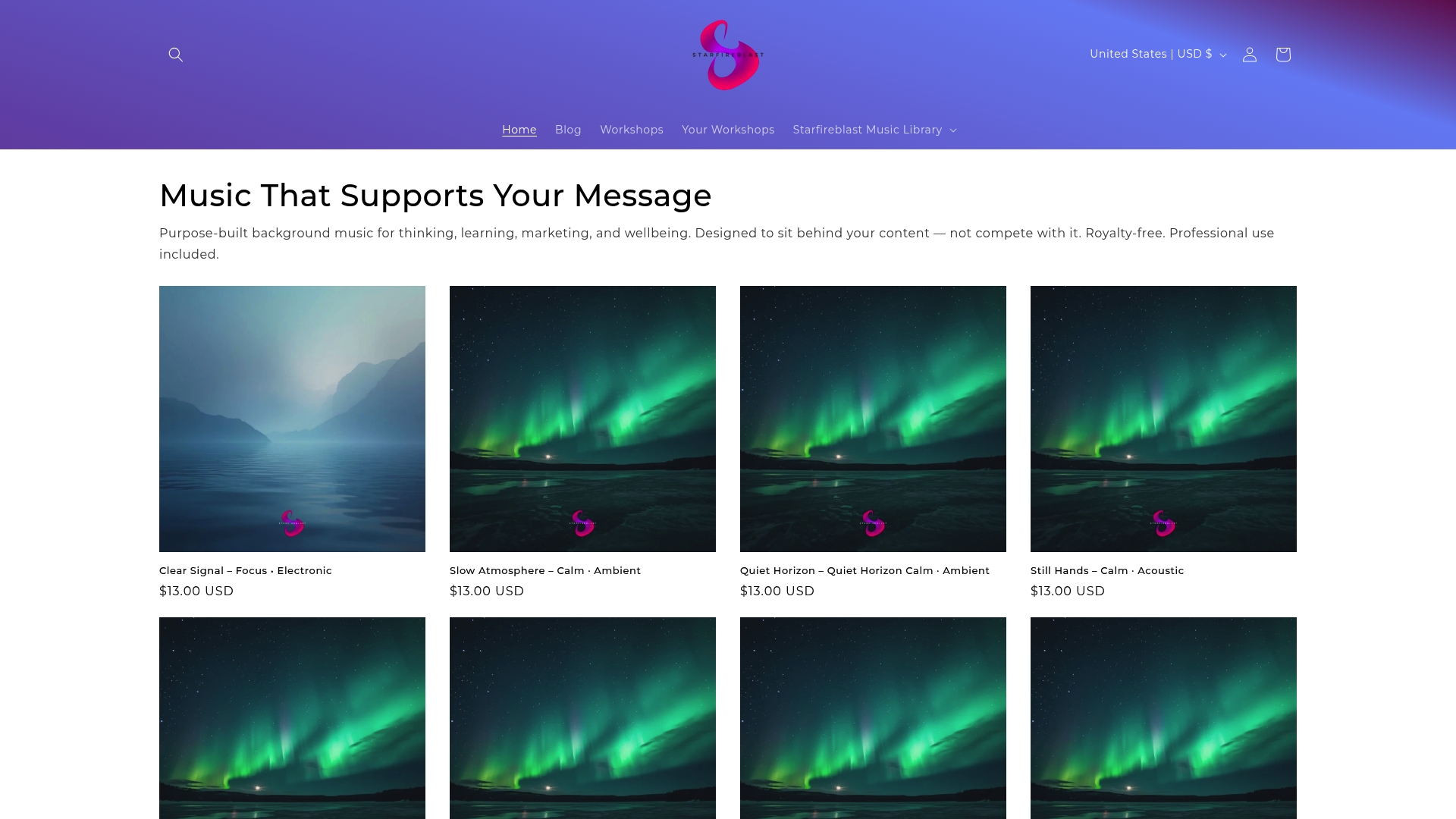
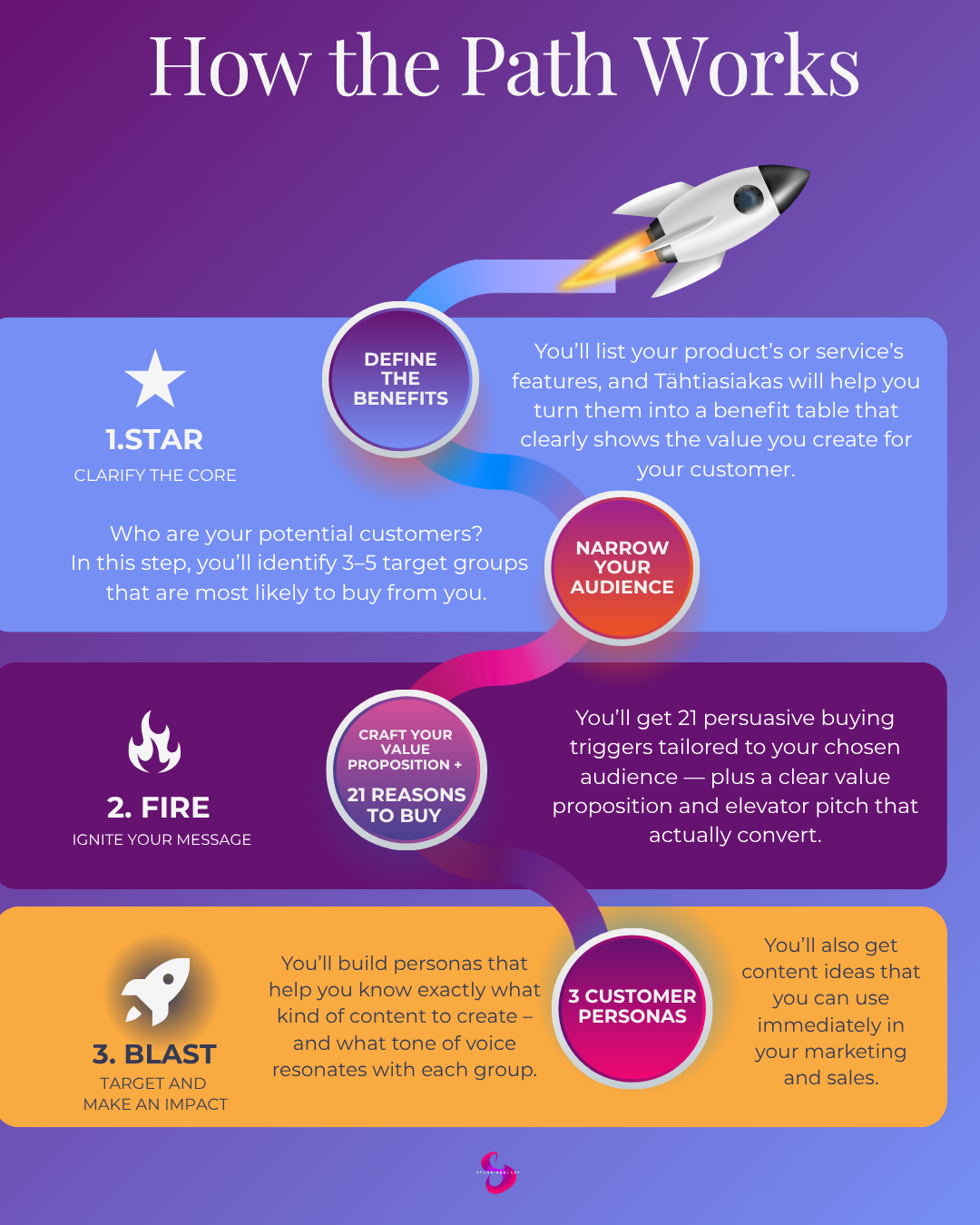
Discover how Starfireblast supports modern creators and entrepreneurs by combining customer insight, brand clarity, and AI-powered tools to navigate the complexities of business evolution without burnout or noise. Build your evolving business on a foundation of planetary productivity that balances economic success with human and ecological well-being. Start your mindful growth journey today by visiting Starfireblast and learn how to turn meaningful ideas into smart, sustainable action.
Frequently Asked Questions
What is business evolution for entrepreneurs?
Business evolution for entrepreneurs refers to the continuous adaptation of strategies, capabilities, and models to align with changing market environments, focusing on sustainable growth and personal fulfillment.
What are the main types of business adaptation strategies?
The main types of business adaptation strategies include internal strategies (like skill development and technology integration) and external strategies (such as market repositioning and developing new customer segments).
How can entrepreneurs ensure sustainable business change?
Entrepreneurs can ensure sustainable business change by investing in strategic leadership, continuous learning, technological innovation, and stakeholder engagement, while also fostering an adaptable organizational culture.
What common risks should entrepreneurs be aware of during business evolution?
Common risks include overestimating market readiness, neglecting core competencies, insufficient financial planning, and premature scaling. It’s essential to anticipate these risks to enhance resilience and adaptability.
Recommended
- 7 Essential Steps for a Resilient Entrepreneur Mindset List – Starfireblast
- Top 8 Starblaze.co Alternatives in 2026 for Creative Teams Seeking Sus – Starfireblast
- Planetary Productivity Explained: Sustainable Progress for Entrepreneu – Starfireblast
- Business Positioning Workflow for Sustainable Impact – Starfireblast